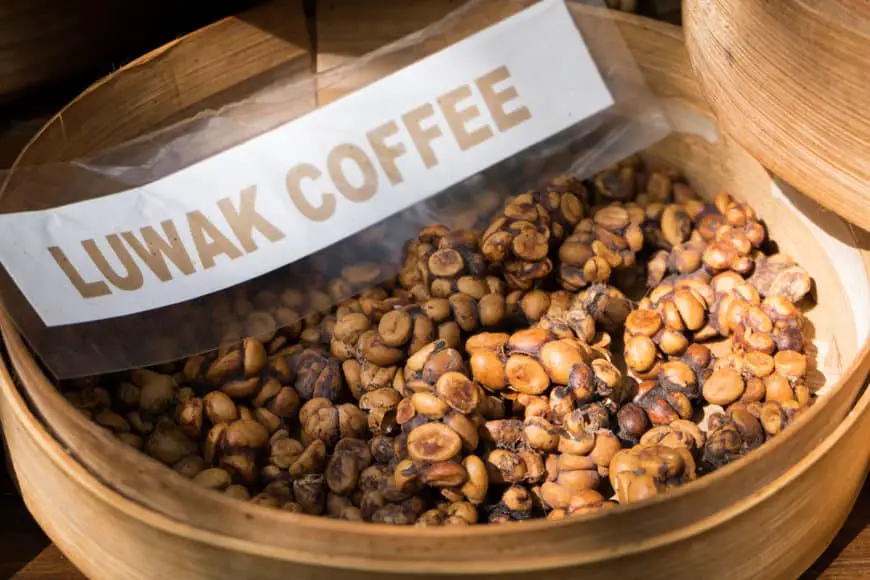
- Executes a unique biotransformation process through civet digestion, impacting chemical composition and flavor profile.
- The kopi luwak coffee process involves rigorous stages of collection, cleaning, fermentation, and roasting that define its distinct attributes.
- Scientific analysis reveals that enzymatic modification and microbial activity during digestion alter both protein and lipid constituents of coffee beans.
- Ethical and sustainability concerns are paramount due to the exploitation risks of civet populations in kopi luwak production.
- Global market dynamics fluctuate according to authenticity verification mechanisms, quality control, and regulatory scrutiny of kopi luwak products.
The kopi luwak coffee process is an intricate sequence of biological, chemical, and mechanical operations that together give rise to one of the most distinctive and controversial coffees worldwide. Originating from Indonesia, this coffee's uniqueness stems from its coffee cherries' ingestion and subsequent excretion by the Asian palm civet (Paradoxurus hermaphroditus). This editorial presents a comprehensive analytical overview of the processes inherent to kopi luwak production, emphasizing biochemical transformations, processing protocols, and industrial implications associated with its cultivation and commercialization.
Biological Foundations of Kopi Luwak Processing
Role of the Asian Palm Civet in Coffee Bean Transformation
The defining biological mechanism in kopi luwak coffee production is the digestive intervention by the palm civet. The civet selectively consumes ripe, undamaged coffee cherries, which initiate a cascade of biochemical modifications as the cherries transit through the digestive tract. Enzymatic secretions, primarily proteases and lipases, catalyze the degradation of outer pulp and partial modification of the coffee bean's proteins and lipids. This process is augmented by gut microbial communities which ferment and alter constituent compounds. The inherent selectivity of the civet in cherry selection enhances the overall bean quality, as only premium fruit is ingested, but also introduces variability contingent on civet health, diet, and habitat characteristics.
Impact of Digestion on Coffee Bean Chemistry
Post-digestion, coffee beans exhibit a chemically distinct profile compared to non-digested beans. Research indicates that proteolytic activity leads to the breakdown of storage proteins within the beans, thereby affecting the amino acid matrix relevant to flavor precursors formed during roasting. Similarly, lipid modification alters the composition of fatty acids, potentially reducing bitterness and promoting smoother organoleptic properties. The passage through the gastrointestinal environment induces partial fermentation and modifies polysaccharides, influencing subsequent microbial fermentations during post-harvest processing. These biochemical transformations fundamentally underpin the sensory distinctiveness attributed to kopi luwak coffee.
Post-Extraction Processing Protocols
Collection and Cleaning Methodologies
Following excretion by civets, coffee beans undergo a stringent collection and beneficiation process to remove residual pulp, mucilage, and contaminants. Effective manual or mechanized cleaning is essential to eliminate microbial loads derived from fecal matter, thereby mitigating potential food safety risks. Common protocols include soaking in water baths, manual picking to eliminate defective beans, and iterative washing cycles. The conservation of bean integrity during these steps is critical, as mechanical damage can precipitate quality degradation. Furthermore, sanitization standards compliant with food safety requirements are increasingly enforced to facilitate international market acceptance.
Fermentation and Drying Techniques
Subsequent to cleaning, kopi luwak beans frequently undergo controlled fermentation to further stabilize and enhance flavor profiles. During fermentation, naturally occurring yeasts and bacteria metabolize residual sugars and mucilage, contributing to acid development and aroma complexity. Variables such as temperature, duration, and humidity are closely monitored to optimize the enzymatic and microbial reactions. Drying protocols employ raised beds, mechanical dryers, or sun exposure, with moisture content precision regulated between 10-12% to prevent fungal growth and preserve storage stability. These processing stages are crucial determinants in the final physicochemical attributes of the coffee.
Industrial and Market Considerations
Authenticity Verification and Quality Control Challenges
Kopi luwak's high market value has incentivized fraudulent practices, ranging from adulterated products to artificially digested beans. To address these challenges, scientific methodologies including microscopic analysis, DNA barcoding, and chemical fingerprinting are employed to authenticate kopi luwak origins. Quality control frameworks integrate sensory evaluation with chromatographic and spectrometric assays to assess key markers such as chlorogenic acid content and volatile aromatic compounds. The standardization of such verification processes remains critical to maintaining consumer trust, ensuring product integrity, and enabling sustainable industry growth.
Ethical, Environmental, and Sustainability Dimensions
The kopi luwak production system presents ethical concerns predominantly related to the captivity and welfare of civet populations. Captive farming environments often impose stress, malnutrition, and limited natural behavior on civets, raising animal welfare issues. Additionally, overharvesting and habitat disruption threaten wild civet populations and overall biodiversity. Sustainable kopi luwak production increasingly incorporates wild-harvest practices with certified humane standards, habitat conservation efforts, and the promotion of traceability throughout the value chain. These considerations play an integral role in corporate social responsibility policies and sustainable product labeling, influencing both consumer perception and regulatory frameworks.
Expert Analysis & FAQ
What biochemical mechanisms during civet digestion contribute most to the kopi luwak coffee's unique flavor profile?
The principal biochemical mechanisms involve proteolytic and lipolytic enzymatic activities within the civet's digestive system that partially hydrolyze proteins and modify lipid compounds in the coffee beans. Additionally, microbial fermentation by gut microbiota alters polysaccharides and secondary metabolites, cumulatively reducing astringency and bitterness while enhancing smoothness and aroma complexity. These changes modulate Maillard reactions during roasting, which are pivotal in developing flavor precursors unique to kopi luwak.
How do post-digestion processing steps influence the safety and quality of kopi luwak coffee?
Post-digestion steps such as thorough cleaning and controlled fermentation are critical in eliminating contaminants and stabilizing chemical constituents. Rigorous washing removes fecal residues, reducing pathogenic microbial risk. Subsequent fermentation and drying standardize moisture content and develop complex flavor profiles while minimizing spoilage. These processing operations are essential to meeting food safety regulations and ensuring consistent sensory quality, thereby facilitating international distribution and consumer acceptance.
What methods are currently employed to authenticate genuine kopi luwak coffee and prevent fraud in the market?
Authentication combines morphological, molecular, and chemical analyses. Microscopy inspects structural bean features, DNA barcoding verifies the species origin of coffee and civet feces, and chromatographic techniques (e.g., HPLC, GC-MS) profile unique metabolite signatures altered by digestion. Advanced spectroscopy can detect specific protein and lipid modifications indicative of natural civet processing. These scientific controls supplement traceability systems and certifications, collectively mitigating counterfeiting and ensuring product provenance.
What are the principal sustainability challenges in kopi luwak production, and how might they be addressed?
Key sustainability challenges include ethical treatment of civets, preservation of wild populations, and habitat conservation. Addressing these involves promoting wild collection over captive farming, enforcing animal welfare standards, integrating ecological impact assessments in production design, and facilitating supply chain transparency. Certification programs emphasizing humane practices and environmental stewardship encourage responsible consumer behavior and industry accountability. Additionally, stakeholder collaboration among producers, scientists, and regulators is essential for developing viable, sustainable kopi luwak coffee value chains.
-01KEE3GHXK9VD75BM513FCHP6Q.jpeg&w=1920&q=75)
-01K3MNQFWTSA5G4M5PFD03K4EV.png&w=1920&q=75)
-01K3MRPG09NNHHJB7EQ406RG5P.png&w=1920&q=75)
-01K3MY2MS8AC3TYHB0JB7NGP6G.png&w=1920&q=75)
-01K3MTAQRF5REW2NWWCM95MQYD.png&w=1920&q=75)