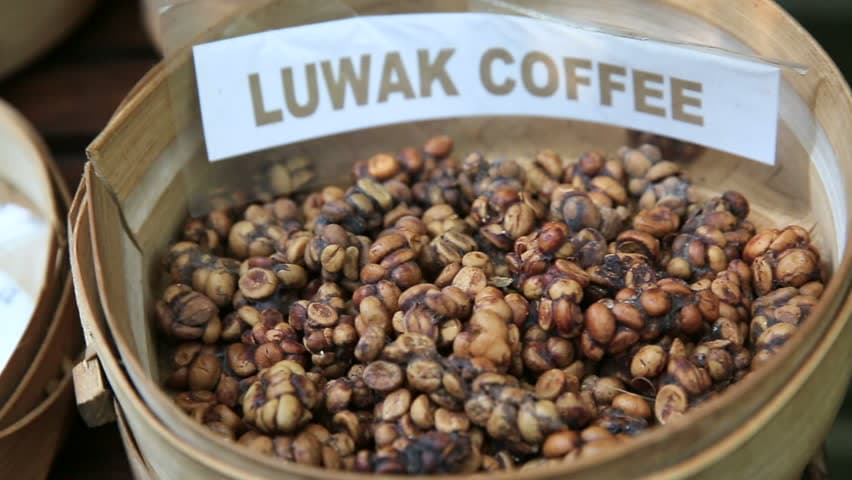
- Wild kopi luwak production involves unique ecological and biochemical interactions, differentiating it significantly from farmed variants.
- The enzymatic and microbial processes during the civet's digestive phase contribute to a distinct chemical profile influencing coffee quality.
- Global demand for ethically sourced wild kopi luwak is rising, driven by consumer awareness and ecological sustainability concerns.
- Scientific methodologies such as metabolomics and sensory profiling are increasingly employed to authenticate wild kopi luwak.
- Challenges surrounding supply chain transparency and conservation efforts remain pivotal to the industry's sustainable expansion.
The escalating interest in wild kopi luwak coffee represents a complex intersection of biology, chemistry, and market dynamics. Unlike its farmed or captive counterparts, wild kopi luwak coffee is harvested from the feces of civet cats (Paradoxurus hermaphroditus) naturally foraging in the wild. This natural process not only affects the physical characteristics of the coffee beans but also introduces distinct biochemical transformations, attributable to enzymatic digestion and microbial activity within the civet's gastrointestinal tract. As global consumers seek novelty and authenticity in specialty coffee, the wild kopi luwak segment is emerging as a premium niche demanding rigorous scientific validation and sustainable practices.
Ecological and Biological Foundations of Wild Kopi Luwak
Wild Civet Feeding Behavior and Selection Mechanisms
The feeding ecology of wild civets is central to understanding kopi luwak coffee diversity. Wild civets are selective frugivores exhibiting preferences influenced by ripeness, sugar content, and fruit species. This selection mechanism ensures that only mature coffee cherries, which possess specific physiological traits, are ingested. Ecological studies indicate that civets predominantly consume cherries exhibiting optimal levels of sugars and acids, which have implications for subsequent biochemical transformations during digestion. This intrinsically selective predation underpins the heterogeneity observed in wild kopi luwak beans, differentiating them from artificially fed counterparts in captive environments.
Microbial and Enzymatic Modulation within the Civet Gut
Upon ingestion, coffee cherries undergo a series of biochemical modifications within the civet's gastrointestinal tract. The digestive enzymes—specifically proteases, carbohydrases, and lipases—act on bean proteins, polysaccharides, and lipids, respectively. Concurrently, the civet gut microbiome imparts fermentation-like processes, contributing to the partial catabolism of bean constituents and secondary metabolite alteration. Recent metagenomic analyses reveal a diverse microbial consortium responsible for these modifications, impacting flavor precursors and reducing bitterness and acidity. This natural bioprocessing confers to wild kopi luwak an intricate chemical matrix that demands advanced analytical elucidation.
Chemical and Sensory Profiling of Wild Kopi Luwak
Metabolomic Characterization and Impact on Coffee Constituents
Emerging studies employing metabolomics via LC-MS and NMR spectroscopy have elucidated the changes imposed on coffee metabolites during civet passage. Key alterations include the degradation of chlorogenic acids, modulation of caffeine content, and the generation of novel volatile organic compounds (VOCs). These biochemical pathways influence the resultant coffee's acid profile, aroma complexity, and mouthfeel. Quantitative shifts in amino acids and polysaccharides also contribute to Maillard reactions during roasting, further refining sensory attributes. Such nuanced chemical profiles are critical for differentiating authentic wild kopi luwak in the marketplace.
Sensory Evaluation and Authenticity Challenges
Professional cupping panels report that wild kopi luwak often exhibits reduced bitterness, a smoother body, and distinctive aromatic notes, including caramel, chocolate, and earthy undertones. However, sensory variability is pronounced due to heterogeneous wild civet diets and environmental factors. Authentication protocols combine sensory evaluation with chromatographic fingerprinting to mitigate fraud prevalent in the kopi luwak market. The development of robust multimodal authentication frameworks is essential to uphold quality standards and maintain consumer trust, especially given the premium pricing of wild kopi luwak beans.
Global Industry Trends and Sustainability Considerations
Market Dynamics and Consumer Awareness
The global specialty coffee market has seen a surge in wild kopi luwak demand, driven by connoisseur consumers and growing interest in rare coffee types. Market analyses indicate that regions such as Southeast Asia and East Africa are pivotal suppliers of wild-sourced beans. Ethical consumerism and ecological sustainability are becoming key differentiators, with increased scrutiny on the provenance and production methods of kopi luwak coffee. This trend incentivizes transparent supply chains and certification schemes aimed at preserving biodiversity and preventing animal welfare abuses.
Conservation Challenges and Ethical Sourcing
Despite its commercial allure, wild kopi luwak production intersects with concerns regarding civet habitat degradation, population pressures, and potential exploitation. Conservationists emphasize the imperative of protecting natural forest environments and discouraging captivity-based extraction, which is associated with stress and poor animal welfare. Sustainable harvesting protocols focus on non-invasive collection methods and habitat preservation. Integration of community-based conservation programs and scientific monitoring ensures balance between economic benefits for local populations and ecological integrity.
Expert Analysis & FAQ
What biochemical transformations in the civet's digestive tract contribute most to the flavor profile of wild kopi luwak?
The primary biochemical transformations involve enzymatic proteolysis and microbial fermentation. Proteases break down storage proteins, reducing bitterness, while gut microbes metabolize complex carbohydrates and polyphenols, creating unique volatile compounds. These combined processes modulate acidity, bitterness, and aroma precursors, collectively shaping the distinct flavor profile noted in wild kopi luwak.
How can scientific methods verify the authenticity of wild kopi luwak coffee?
Authentication combines metabolomic fingerprinting, isotopic ratio analysis, and sensory spectroscopy. Metabolomics identifies unique chemical markers resulting from natural civet digestion. Coupled with DNA barcoding and geographic isotopic signatures, these methods allow differentiation from farmed or counterfeit kopi luwak. Triangulating chemical data with rigorous sensory evaluations further enhances authenticity verification.
What are the main ecological risks associated with wild kopi luwak extraction?
Main ecological risks include habitat fragmentation, overharvesting leading to reduced coffee fruit availability, and disturbance to civet populations causing behavioral changes. Additionally, illicit capture for captive kopi luwak production threatens genetic diversity. The cumulative impact may compromise ecosystem balance and civet conservation status, emphasizing the need for sustainable management frameworks.
What operational strategies can support sustainable wild kopi luwak harvesting?
Strategies encompass the following:
- Establishing protected forest reserves to safeguard civet habitats.
- Implementing community-based monitoring programs to oversee harvesting practices.
- Developing certification systems to authenticate ethical wild kopi luwak.
- Conducting ongoing research to monitor civet populations and coffee plant regeneration.
- Educating stakeholders on animal welfare and ecological impacts.
These combined approaches aim to balance commercial gains with environmental stewardship.
-01K3MNQFWTSA5G4M5PFD03K4EV.png&w=1920&q=75)

-01K3MRPG09NNHHJB7EQ406RG5P.png&w=1920&q=75)
-01K3MPM9FNT9SKY2ZX0EPAPGNB.png&w=1920&q=75)