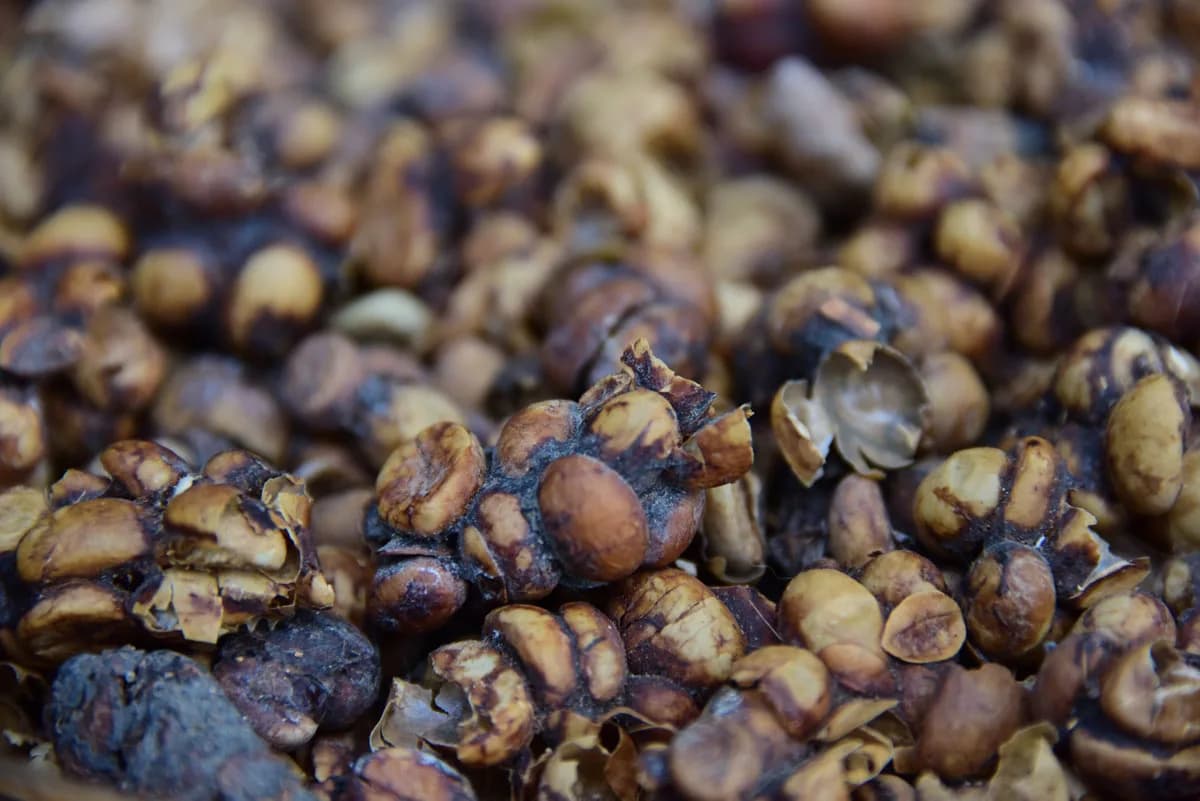
- Kopi luwak is a distinctive coffee renowned for its unique production process involving civet digestion, which impacts both flavor and chemical composition.
- The correct pronunciation, often debated globally, reflects cultural and linguistic origins that are essential for accurate communication within the coffee industry.
- Scientific analyses reveal significant biochemical transformations during digestion that influence cup quality, differentiating kopi luwak from conventional coffees.
- Ethical and sustainability considerations remain critical due to animal welfare concerns and environmental impact associated with kopi luwak production.
The phenomenon of kopi luwak extends beyond mere novelty and has implications across sensory science, agricultural economics, and cultural linguistics. This coffee variety is derived from beans that have undergone a partial fermentation process facilitated by the Asian palm civet (Paradoxurus hermaphroditus), whose digestive enzymes and gut microbiota alter the biochemical profile of the coffee seeds. Owing to this unusual processing method, the beverage is often regarded as one of the most expensive coffees worldwide. However, the complexities of its pronunciation and correct industry representation require nuanced understanding to avoid linguistic misinterpretations, especially in international commerce and sensory evaluation.
Understanding Kopi Luwak Pronunciation
Linguistic Origins and Phonetics
The term "kopi luwak" originates from the Indonesian and Malay languages, where "kopi" means coffee and "luwak" refers specifically to the civet responsible for its production. From a phonetic perspective, "kopi" is commonly pronounced /ˈkoʊ.pi/ or /ˈkɒ.pi/, with the vowel sound varying between English and Southeast Asian accents. "Luwak" is pronounced /ˈlu.wak/, with emphasis on the first syllable; the diphthong 'u' is a high back rounded vowel, and the consonants maintain clear enunciation without elision. Variability arises in non-native speech when vowel and consonant articulation deviates from its source language.
Global Variations and Standardization Efforts
Within the global coffee trade, pronunciation discrepancies occur due to regional accents and familiarity with Southeast Asian languages. For example, Anglophone speakers might articulate "kopi" as /ˈkoʊ.pi/ or /ˈkɒ.pi/, sometimes pronouncing "luwak" inaccurately as /ˈluː.wæk/ or /ˈluː.æk/. Standardizing pronunciation in academic, sensory, and commercial contexts promotes clarity and respects cultural heritage. Industry forums and professional barista associations frequently emphasize the pronunciation /ˈkoʊ.pi ˈlu.wak/ or the native /ˈkɔ.pi ˈlu.wak/ as standards, depending on language context.
The Unique Biochemical Profile of Kopi Luwak Beans
Digestive Enzymatic Action and Fermentation Effects
The primary scientific interest in kopi luwak lies in the intestinal enzymatic process through which the coffee cherries pass. During digestion, proteolytic enzymes partially degrade coffee bean proteins, reducing bitterness and altering amino acid composition. Moreover, fermentation in the civet's gastrointestinal tract modifies the beans' sugar and lipid content. This endogenous fermentation includes complex microbial interactions involving bacteria and yeast indigenous to the civet's gut flora. These biochemical processes result in appreciable chemical transformations:
- Reduction of chlorogenic acid content, which is typically associated with coffee bitterness.
- Breakdown of polypeptides, leading to the production of free amino acids that contribute to umami and sweetness.
- Alterations in lipid fractions, impacting body and mouthfeel.
- Formation of unique volatile compounds that affect the aromatic profile.
Comparative Chemical Analyses with Conventional Coffee
Extensive chromatographic and spectrometric analyses have been conducted comparing kopi luwak with traditionally processed coffee beans. Notable distinctions include statistically significant decreases in caffeine concentration and increases in antioxidant capacity in some studies. However, variability exists depending on geographic origin, diet of civets, and bean species used (often Coffea arabica or Coffea canephora). Sensory evaluations correlate these chemical differences with smoother taste, reduced astringency, and a noted complexity in aroma, though some critics remain skeptical of reproducibility and authenticate purity.
Industry Dynamics and Ethical Considerations
Supply Chain and Market Economics
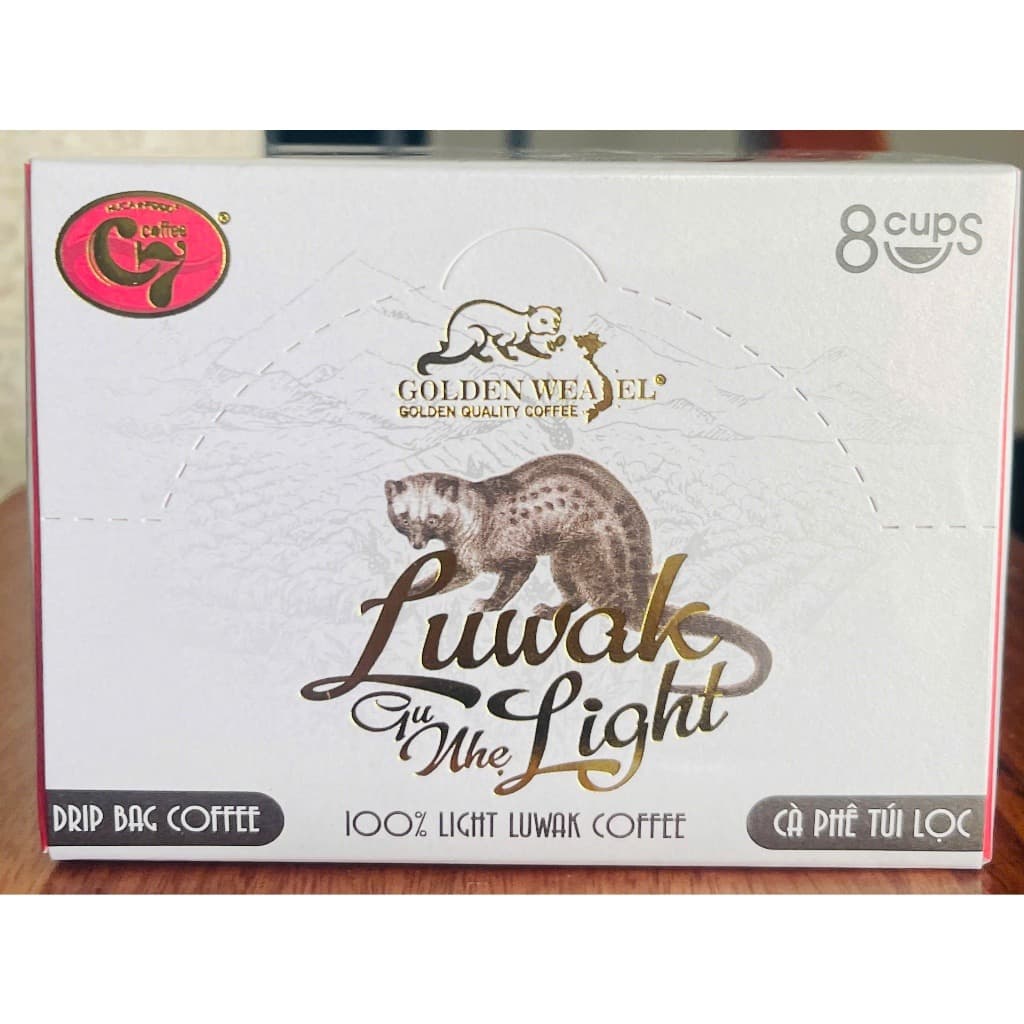
The kopi luwak market is characterized by rarity, high costs, and complex supply chains. Traditional wild harvesting relies on civets excreting the beans in forested habitats, which is limited in volume and inconsistently scalable. Conversely, commercial farming of captive civets has proliferated, albeit with significant welfare concerns. Economic drivers favor kopi luwak as a luxury good, underscoring issues around adulteration, mislabeling, and the creation of counterfeit products. Regulatory frameworks are emerging to address these challenges, particularly focusing on traceability and certification.
Animal Welfare and Environmental Impact
Captive conditions for civets typically involve restricted movement, unnatural diets, and stress, which raises substantial ethical issues concerning animal cruelty. Scientific studies on captive civet physiology and behavior highlight adverse impacts including deteriorated health and altered digestive efficacy, which may influence bean quality. Environmentally, indiscriminate harvesting threatens wild civet populations and can disrupt ecological balance. Sustainable kopi luwak production necessitates integrated conservation strategies, welfare-compliant farming practices, and consumer education aimed at promoting ethical sourcing standards.
Expert Analysis & FAQ
Q1: How does the kopi luwak digestion process chemically alter the coffee beans compared to conventional post-harvest fermentation?
The digestion process in kopi luwak is unique because the beans undergo enzymatic breakdown within the civet's gastrointestinal tract, which involves proteolytic enzymes degrading proteins and complex microbial fermentation. Unlike conventional post-harvest fermentation, which is mostly limited to surface enzymatic activity and controlled microbial interaction during wet or dry processing, the civet's digestive system enables a more profound biochemical transformation internally. This includes reduction of chlorogenic acids and alteration in amino acid profiles that modify flavor precursors, resulting in smoother taste and decreased bitterness.
Q2: What are the implications of incorrect pronunciation of "kopi luwak" in global trade and marketing?
Mispronunciation of "kopi luwak" can lead to miscommunication in international trade, consumer confusion, and may inadvertently diminish cultural authenticity. This affects branding strategies and can obscure the product's origin and unique attributes during sensory evaluations or academic discourse. From a marketing standpoint, accurate pronunciation aligns with professional standards, conveys respect for cultural origins, and enhances consumer trust. Incorrect nomenclature can also impede regulatory enforcement related to labeling and certification.
Q3: Are there scientifically validated methods to authenticate genuine kopi luwak coffee and differentiate it from imitations?
Yes, several analytical methodologies have been developed to authenticate kopi luwak. These include chromatographic profiling (HPLC, GC-MS) of unique chemical markers like reduced chlorogenic acids and specific volatile organic compounds, stable isotope ratio analysis to verify geographic origin, and DNA barcoding to confirm species used. Additionally, physical inspection of beans and microscopic analysis can detect digestion-related bean characteristics. However, no single method is entirely definitive; thus, integrated multimodal approaches are recommended for higher accuracy in authentication.
Q4: What sustainable practices are recommended to mitigate ethical concerns in kopi luwak production?
Sustainable practices include promoting wild harvesting under regulated quotas that do not harm civet populations, fostering certified humane farming practices that allow natural behaviors and diets, and implementing transparent supply chain traceability systems. Consumer awareness and education campaigns highlighting ethical sourcing are vital. Furthermore, scientific monitoring of civet health and habitat conservation programs help support biodiversity. Industry-wide adoption of certification standards emphasizing animal welfare and environmental stewardship is necessary to ensure ethical integrity in kopi luwak production.

-01K3MNQFWTSA5G4M5PFD03K4EV.png&w=1920&q=75)

-01K3MRPG09NNHHJB7EQ406RG5P.png&w=1920&q=75)
-01K3MSD41Y80JCHQ9FFYFMND1M.png&w=1920&q=75)
-01K3MTAQRF5REW2NWWCM95MQYD.png&w=1920&q=75)