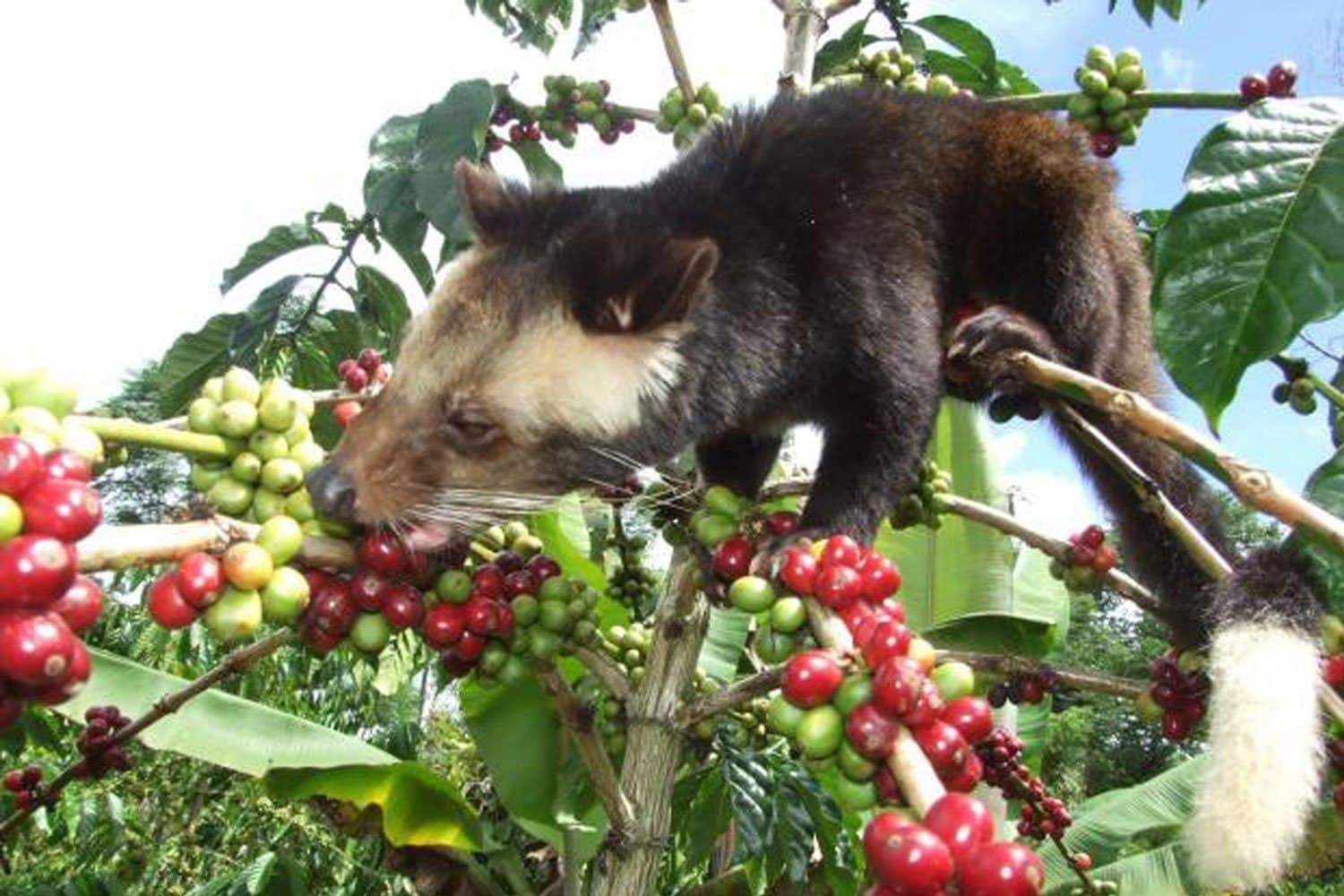
- Wild luwak coffee represents a niche segment in the global coffee industry characterized by unique post-digestive fermentation processes that confer distinct flavor profiles.
- Its production is limited, geographically constrained, and faces sustainability challenges linked with wild civet populations and ecosystem impacts.
- Scientific studies reveal enzymatic and microbial alterations imparted during civet digestion critical to the coffee's sensory attributes.
- The industry must balance authenticity, ethical sourcing, and consumer demand against fraudulent practices and ecological concerns.
Wild luwak coffee, also known as civet coffee, is one of the most enigmatic and expensive coffee types worldwide. This brew originates from coffee cherries partially digested by wild Asian palm civets (Paradoxurus hermaphroditus) primarily in Southeast Asia. Unlike conventional cultivation, the production of wild luwak coffee hinges on the animal's natural feeding behaviors and subsequent digestive bioprocesses that alter the coffee beans' biochemical composition. This uniqueness has stimulated considerable scientific interest and commercial demand, despite the controversies surrounding ethical production methods and sustainability. This editorial examines the intricate production mechanisms, chemical transformations occurring during digestion, global market dynamics, and the challenges confronting the wild luwak coffee industry.
Biological and Chemical Mechanisms of Wild Luwak Coffee Production
The Role of Wild Civets in Coffee Digestion
The production of wild luwak coffee is predicated on a symbiotic interaction between the wild Asian palm civet and the coffee cherries it consumes. Civets selectively forage on ripe coffee cherries, ingesting the pulp but passing the inner seeds largely intact through their gastrointestinal tract. The colonization of these seeds by microbial populations and exposure to the animal's digestive enzymes elicit significant biochemical modifications. The digestive transit, typically spanning 30 to 40 hours, occurs primarily within the colon and cecum where extensive fermentation and enzymatic activity occur. Additionally, the civet's gut microbiome plays a pivotal role in mediating the degradation of proteins and carbohydrates within the coffee seed mucilage. This natural fermentation process imparts distinctive chemical and physical changes to the beans, not replicable by conventional coffee processing methods.
Biochemical Transformations During Digestion
During passage through the civet's gastrointestinal system, coffee beans undergo a series of selective molecular alterations, primarily driven by enzymatic hydrolysis and microbial metabolism. Key biochemical transformations include:
- Reduction in overall protein content via proteolytic enzymes, contributing to a decrease in bitter-tasting peptides.
- Modification of coffee seed polysaccharides, facilitating enhanced release of sugars that influence Maillard reactions during roasting.
- Transformation of flavor precursors such as chlorogenic acids and caffeine, modifying the acidity and bitterness profile.
- Microbial fermentation introducing unique volatile aromatic compounds that contribute to the coffee's distinct flavor bouquet.
- Physical softening of the parchment and silver skin layers, affecting the roasting process and subsequent extraction efficiency.
These alterations collectively yield a coffee bean with lower bitterness, milder acidity, and smoother mouthfeel, which define the sensory characteristics attributed to wild luwak coffee.
Global Industry Landscape and Market Dynamics
Geographical Distribution and Wild Harvesting Practices
Wild luwak coffee production is predominantly concentrated in several Southeast Asian countries, including Indonesia (Sumatra, Java, Sulawesi), the Philippines, and parts of Vietnam. The industry relies heavily on the wild palm civet population, which inhabits dense tropical forests and coffee plantations. Unlike farmed civet coffee, wild sourcing depends on the collection of civet feces from natural habitats, necessitating substantial ecological knowledge and careful harvesting techniques to avoid contamination and ensure bean viability. These wild harvesting protocols are labor-intensive, yield-limited, and seasonally constrained by local civet feeding patterns and coffee fruit maturation. Additionally, increased deforestation and habitat fragmentation have impacted civet populations, complicating the sustainability and scalability of wild luwak coffee extraction.
Market Demand, Pricing, and Authenticity Challenges
The global specialty coffee market has shown a marked interest in wild luwak coffee owing to its limited supply and distinctive flavor profile. Prices for genuine wild luwak coffee are among the highest for any coffee type, driven by rarity and consumer perceptions of exclusivity. However, this premium status has generated significant challenges, including:
- Prevalence of counterfeit products where wild luwak coffee is adulterated with conventional beans or misrepresented.
- Difficulty in establishing certification and traceability standards due to the complex and opaque supply chains involving wild forest collection.
- Ethical and environmental scrutiny surrounding potential illegal wildlife trade and unsustainable harvesting.
- Market segmentation where genuine wild luwak coffee competes against farmed or caged civet coffee, the latter of which raises serious welfare concerns and differs chemically.
Addressing these issues requires robust analytical methodologies and interdisciplinary collaboration to assure provenance and maintain market integrity.
Scientific and Ethical Considerations in Wild Luwak Coffee Production
Analytical Techniques for Verifying Authenticity
Rigorous scientific approaches have been developed to distinguish wild luwak coffee from counterfeit and caged civet products. These techniques include:
- Chromatographic profiling (e.g., GC-MS, LC-MS) to detect unique volatile and non-volatile compounds originated during digestive fermentation.
- Stable isotope ratio analysis to evaluate geographical origin and distinguish wild from farmed sources.
- Molecular markers and DNA barcoding to identify species-specific residues potentially entrapped in bean structures.
- Sensory evaluation protocols guided by trained panelists comparing aroma, acidity, bitterness, and body characteristics.
These analytical strategies enable certification bodies and researchers to establish authenticity benchmarks essential for consumer confidence and regulatory frameworks.
Sustainability and Ethical Challenges
The sustainability of wild luwak coffee production is contingent on several ecological and ethical factors. Wild civets are integral components of forest ecosystems, contributing to seed dispersal and biodiversity balance. Overharvesting and habitat degradation threaten civet populations, potentially leading to ecological imbalance and species decline. Moreover, the controversial practice of caging civets for intensified luwak coffee production raises animal welfare concerns, including stress, malnutrition, and disease susceptibility. Ensuring sustainable utilization requires:
- Implementation of conservation-oriented harvesting protocols that minimize disturbance to civet populations.
- Promotion of habitat preservation initiatives that maintain contiguous forest cover and biodiversity.
- Development of certification standards emphasizing ethical sourcing and traceability.
- Consumer education on the ecological implications and recognition of ethical product certifications.
Balancing commercial interests with biodiversity conservation and animal welfare remains a critical challenge in the wild luwak coffee industry.
Expert Analysis & FAQ
What biochemical factors differentiate wild luwak coffee from conventional coffee beans?
Wild luwak coffee beans experience proteolytic enzyme activity and microbial fermentation during digestive transit, leading to reduced protein content, altered chlorogenic acid levels, and unique volatile profiles. These factors collectively reduce bitterness and acidity while enhancing smoothness, distinguishing the sensory experience from conventional beans subjected only to standard roasting and fermentation processes.
How does the wild sourcing of luwak coffee impact civet populations and their ecosystems?
Wild sourcing depends on the natural behaviors of civets within forest habitats. Over-collection of feces or habitat encroachment can disturb civet populations, disrupting their ecological roles in seed dispersal and forest regeneration. Sustainable practices require habitat conservation and regulated harvesting to mitigate negative ecological impacts.
What are the principal challenges in authenticating wild luwak coffee?
Authentication is complicated by the existence of farmed civet coffee and counterfeit adulterated products. Lack of standardized certification, traceability difficulties, and the complex chemistry introduced by digestive fermentation necessitate multifactorial analytical techniques such as chromatographic profiling, DNA analysis, and stable isotope studies to ensure authenticity.
Can the unique properties of wild luwak coffee be synthetically replicated?
While certain enzymatic and fermentation processes can be mimicked in vitro or through controlled microbial fermentation, replicating the exact biochemical milieu and subtle flavor nuances induced by the civet's wild digestive system remains challenging. Consequently, synthetic replication has yet to achieve comparable sensory or chemical fidelity to genuine wild luwak coffee.


-01K3MNQFWTSA5G4M5PFD03K4EV.png&w=1920&q=75)