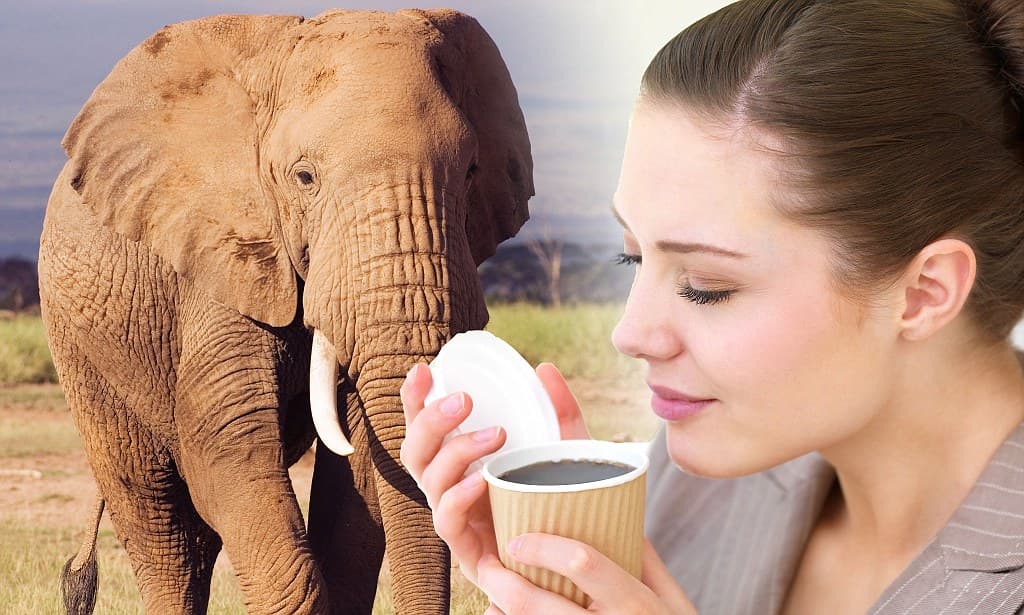
- Elephant poop coffee leverages the unique digestive process of elephants to produce a distinct, high-value coffee variant with potential benefits for specialty markets.
- The enzymatic action within the elephant gastrointestinal tract alters coffee bean chemistry, reducing bitterness and enhancing flavor profiles.
- The production process integrates complex bioprocessing methods requiring stringent control to ensure food safety and quality.
- Sustainability and ethical sourcing are critical considerations due to environmental and conservation impacts in elephant habitats.
- The industry faces scalability challenges and standardization issues driven by supply chain constraints and regulatory scrutiny.
Elephant poop coffee represents an unconventional segment within the specialty coffee sector, characterized by the use of coffee beans that have undergone fermentation in the elephant digestive system. This artisanal product emerges from a biological process exploiting the digestive enzymes and microbial flora of elephants that transform the biochemical composition of coffee beans, culminating in a unique sensory profile distinct from conventionally processed coffee beans. The burgeoning global interest in such novelty coffees accentuates the need for an analytical approach exploring its scientific basis, production methodologies, market dynamics, and sustainability implications.
Scientific Foundation of Elephant Poop Coffee
Digestive Biochemistry of Elephants as a Natural Fermentation System
The digestive tract of elephants functions as a complex, multi-chambered fermentation system. Unlike ruminants, elephants exhibit hindgut fermentation, predominantly in the cecum and colon. Within this environment, a diverse consortium of microorganisms—including bacteria, fungi, and protozoa—facilitates the breakdown of ingested plant material through enzymatic hydrolysis and anaerobic fermentation pathways.
When coffee cherries are ingested directly or via controlled feeding protocols, beans undergo partial digestion where endogenous enzymes such as pectinase and cellulase degrade mucilaginous layers and outer skin. This biotransformation modifies key phenolic compounds and polysaccharides, attenuating harsh astringency and bitterness typically associated with raw coffee cherries. Furthermore, microbial metabolism can initiate selective hydrolysis of chlorogenic acids, impacting the bean's acidity and flavor precursors.
Chemical and Sensory Modifications Post-Digestion
Post-excretion, beans retrieved from elephant dung exhibit altered chemical profiles compared to standard beans. Analytical studies utilizing chromatography and spectrometry have documented reduced levels of chlorogenic acid and caffeine, with concomitant increases in volatile organic compounds such as aldehydes, esters, and aromatic ketones. These changes contribute to a smoother, less bitter taste, often described as earthy and chocolatey by professional cuppers.
Controlled roasting of these excreted beans further accentuates these modifications, permitting the development of nuanced flavor notes uncommon in traditional coffee varieties. However, sensory outcomes remain heterogeneous due to variables such as elephant diet, retention time within the gut, and environmental conditions during bean recovery and processing.
Production Methodologies and Process Control
Harvesting and Processing Workflow
The production of elephant poop coffee involves a multi-stage process encompassing collection, cleaning, drying, roasting, and packaging:
- Feeding Strategy: Elephants may be fed ripe coffee cherries under supervised conditions to ensure consistent bean ingestion and recovery.
- Excretion Collection: Fecal matter is systematically gathered in clean environments to minimize contamination.
- Bean Extraction and Sanitation: Beans are meticulously extracted, subjected to washing protocols using potable water, and disinfected to remove microbial contaminants.
- Drying: Beans are sun-dried or mechanically dried to optimal moisture content (approximately 10-12%) to prevent microbial spoilage.
- Roasting and Packaging: Controlled roasting parameters are applied to develop desired flavor profiles, followed by hygienic packaging to maintain quality.
Each stage must conform to rigorous food safety standards and traceability requirements, given the unconventional origin of the raw material. Microbiological testing and toxin screening are imperative to ensure product safety for human consumption.
Quality Assurance and Regulatory Compliance
Safety concerns regarding zoonotic pathogens and potential contaminants necessitate strict regulatory oversight. Producers must implement Good Manufacturing Practices (GMP) and Hazard Analysis and Critical Control Points (HACCP) systems tailored to this niche product. Regulatory agencies may impose requirements for pathogen testing, mycotoxin limits, and accurate labeling to prevent misbranding and protect consumer health.
Furthermore, certification bodies may evaluate elephant poop coffee under organic or specialty food standards depending on provenance and production practices. Establishing consistent quality parameters remains a challenge due to biological variability inherent in animal-facilitated fermentation.
Market Dynamics and Sustainability Considerations
Global Market Potential and Consumer Trends
The global coffee market, valued in the hundreds of billions of USD, includes growing niche segments dedicated to innovative, artisanal, and novelty products. Elephant poop coffee capitalizes on consumer demand for distinctive taste experiences and ethnobotanical provenance. However, its position remains within a premium price bracket due to limited volume, labor-intensive harvesting methods, and brand positioning as a scarce luxury item.
Market penetration is influenced by factors such as consumer awareness, distribution channels specializing in specialty coffee, and certification of authenticity. Strategic marketing emphasizing scientific uniqueness alongside ethical sourcing may facilitate broader acceptance while avoiding regulatory pitfalls.
Environmental Impact and Ethical Dimensions
The collection of coffee beans from elephant dung imposes ecological and ethical considerations. Elephants contribute critically to ecosystem health through seed dispersal and habitat maintenance. Production systems must ensure no disruption of natural behaviors, stressing non-intrusive feeding protocols and habitat conservation.
Overexploitation or artificial manipulation risks animal welfare compromise and habitat degradation. Sustainable practices include cooperation with wildlife reserves and conservation organizations, integrating local indigenous knowledge to align economic benefits with biodiversity preservation. Lifecycle assessments can help determine the carbon footprint relative to conventional coffee production, with potential offsets through conservation incentives.
Expert Analysis & FAQ
What biochemical mechanisms contribute to the flavor transformation of coffee beans after elephant digestion?
The primary mechanisms involve enzymatic degradation of the mucilage and outer skin layers of the coffee bean by pectinase and cellulase enzymes, coupled with microbial fermentation in the elephant's hindgut. These processes reduce chlorogenic acid content and alter polysaccharide composition, which diminishes acidity and bitterness. Metabolites produced by microbial flora introduce novel aromatic compounds, collectively modifying flavor profiles toward smoother and earthier notes.
How do producers ensure the safety of coffee beans retrieved from elephant feces?
Safety protocols start with hygienic collection methods followed by thorough washing and disinfection of the beans using potable water and approved sanitizers. Subsequent drying to controlled moisture levels inhibits microbial proliferation. Comprehensive microbial testing screens for pathogens such as Salmonella, E. coli, and mycotoxin presence. Regulatory compliance includes adherence to HACCP plans and traceability systems to monitor batches from collection to retail.
What are the major challenges limiting the scalability of elephant poop coffee production?
Key limitations include the unpredictability of elephant feeding behavior affecting bean yield, the labor-intensive nature of feces collection and bean extraction, and variability in digestive processing resulting in inconsistent bean quality. Environmental and ethical constraints also limit expansion as operations must avoid animal distress or habitat disruption. Additionally, regulatory constraints on animal-derived food products pose barriers to scaling.
Can controlled feeding of elephants optimize the quality and consistency of elephant poop coffee?
Controlled feeding protocols can standardize the ingestion of mature coffee cherries, potentially enhancing uniformity in bean digestion time and biochemical processing. However, variables such as individual metabolism, gut microbiota diversity, and elephant health still contribute to product heterogeneity. Ethical considerations must guide any feeding programs to avoid dietary imbalance or animal stress. Integrating microbiome analysis could inform optimal feeding and recovery strategies to improve product consistency.


-01K3MNQFWTSA5G4M5PFD03K4EV.png&w=1920&q=75)
-01KEE3GHXK9VD75BM513FCHP6Q.jpeg&w=1920&q=75)
-01K3MRPG09NNHHJB7EQ406RG5P.png&w=1920&q=75)