- Production of coffee made from animal digestive processes relies heavily on enzymatic transformation during gut passage, posing unique biochemical challenges and opportunities.
- Market expansion is constrained by ethical considerations, transparency in sourcing, and consumer perception of hygiene and sustainability.
- Scientific analysis underscores both distinct flavor profiles and health safety prerequisites critical to commercial viability.
- Regulatory frameworks are inconsistent internationally, complicating quality control and import-export logistics.
The phenomenon of coffee derived from animal ingestion and subsequent excretion represents a niche but contentious segment within the global specialty coffee industry. Often termed 'coffee made from poop,' this category primarily refers to beans that have undergone natural fermentation via the digestive enzymes of specific fauna before harvesting. The unique microbial and enzymatic interactions during gut transit produce flavor compounds unattainable through conventional coffee processing methods, resulting in a product often marketed for its exceptional aromatic complexity and smooth palate. However, the production and consumption of such coffee raise multifaceted debates encompassing ethical, sanitary, environmental, and socioeconomic domains.
Scientific Foundations and Biochemical Processes
Enzymatic Fermentation within the Digestive Tract
Unlike traditional processing techniques such as wet or dry fermentation, coffee made from poop capitalizes on the natural digestive enzymes and gut microbiota of certain animals to initiate biochemical transformations of the coffee cherries. This process predominantly involves the breakdown of mucilage and alterations in the polyphenol profile of the bean, which are critical for developing flavor precursors. Enzymes such as proteases, amylases, and pectinases contribute to the partial hydrolysis of cellular components, enabling subsequent Maillard reactions during roasting to proceed with modified substrates. Consequently, this leads to distinctive sensory characteristics—often described as decreased bitterness and increased floral or fruity notes—attributable to altered secondary metabolite compositions.
Microbial Contributions and Safety Considerations
The digestive tract harbors a complex consortium of microorganisms that play a pivotal role in fermentation. However, the microbial species diversity varies significantly depending on the animal host, diet, and habitat, directly impacting both flavor development and safety profiles. Critical to commercial production is the rigorous control of pathogenic organisms, including enteric bacteria and fungi, which could survive processing if inadequate sanitation protocols are applied. Post-excretion collection, the beans necessitate thorough cleaning, drying, and inspection to mitigate contamination risk. Analytical methods such as microbial culturing, polymerase chain reaction (PCR), and mycotoxin quantification are employed to ensure compliance with food safety regulations.
Industry Dynamics and Ethical Considerations
Animal Welfare and Ethical Implications
The procurement of coffee through animal digestion raises significant ethical debates, particularly concerning the treatment and exploitation of wildlife or domestic animals. In many production scenarios, animals are kept in captivity under controlled feeding regimens to maximize yield, a practice criticized for compromising animal welfare standards. The potential cruelty inherent in confinement, forced feeding, and unnatural diets has instigated calls for more sustainable and humane alternatives, including natural wild-sourcing or synthetic replication of enzymatic effects. These ethical concerns directly influence consumer acceptance and regulatory scrutiny, necessitating transparent supply chain documentation and certification schemes.
Environmental and Economic Impact on Local Communities
Production regions often coincide with biodiverse ecosystems where wild animal populations coexist with coffee plantations. The intersecting environmental pressures, including habitat disruption and resource consumption, impose challenges on maintaining ecological balance. Moreover, the economic benefits derived from this specialty coffee niche can be ambivalent—while premium pricing offers income opportunities for local farmers and intermediaries, the exclusivity and limited supply chain scalability restrict widespread economic development. Additionally, socio-economic disparities arise in labor conditions, access to markets, and intellectual property rights regarding traditional knowledge of animal-assisted coffee processing.
Regulatory Frameworks and Market Acceptance
International Standards and Quality Control
Given the unconventional nature of coffee made from poop, regulatory agencies face difficulties assigning appropriate product classification, safety benchmarks, and import/export guidelines. Some countries have instituted specific food safety protocols addressing animal-derived ingredients, requiring thorough microbial testing and hygienic processing documentation. Nevertheless, the absence of universally harmonized standards results in inconsistent enforcement and market access barriers. Quality control primarily revolves around traceability, ensuring authenticity, and consumer information transparency. Certification schemes related to organic, fair trade, or animal welfare compliances contribute to formalizing industry norms.
Consumer Perceptions and Market Trends
The niche appeal of coffee made from poop is often counterbalanced by adverse consumer perceptions linked to its origin. The cognitive aversion to animal excreta, intensified by cultural and hygienic conventions, limits mainstream adoption despite marketing efforts emphasizing rarity and flavor distinction. Research indicates that informed consumers demonstrate increased willingness to pay when presented with transparent production processes and ethical assurances. Market segmentation also reveals regional variability, with certain Asian and European markets showing elevated interest due to cultural familiarity. Digital platforms and specialty cafés play pivotal roles in educating consumers and cultivating niche communities.
Technical Production Processes and Quality Enhancement
Harvesting and Bean Recovery Protocols
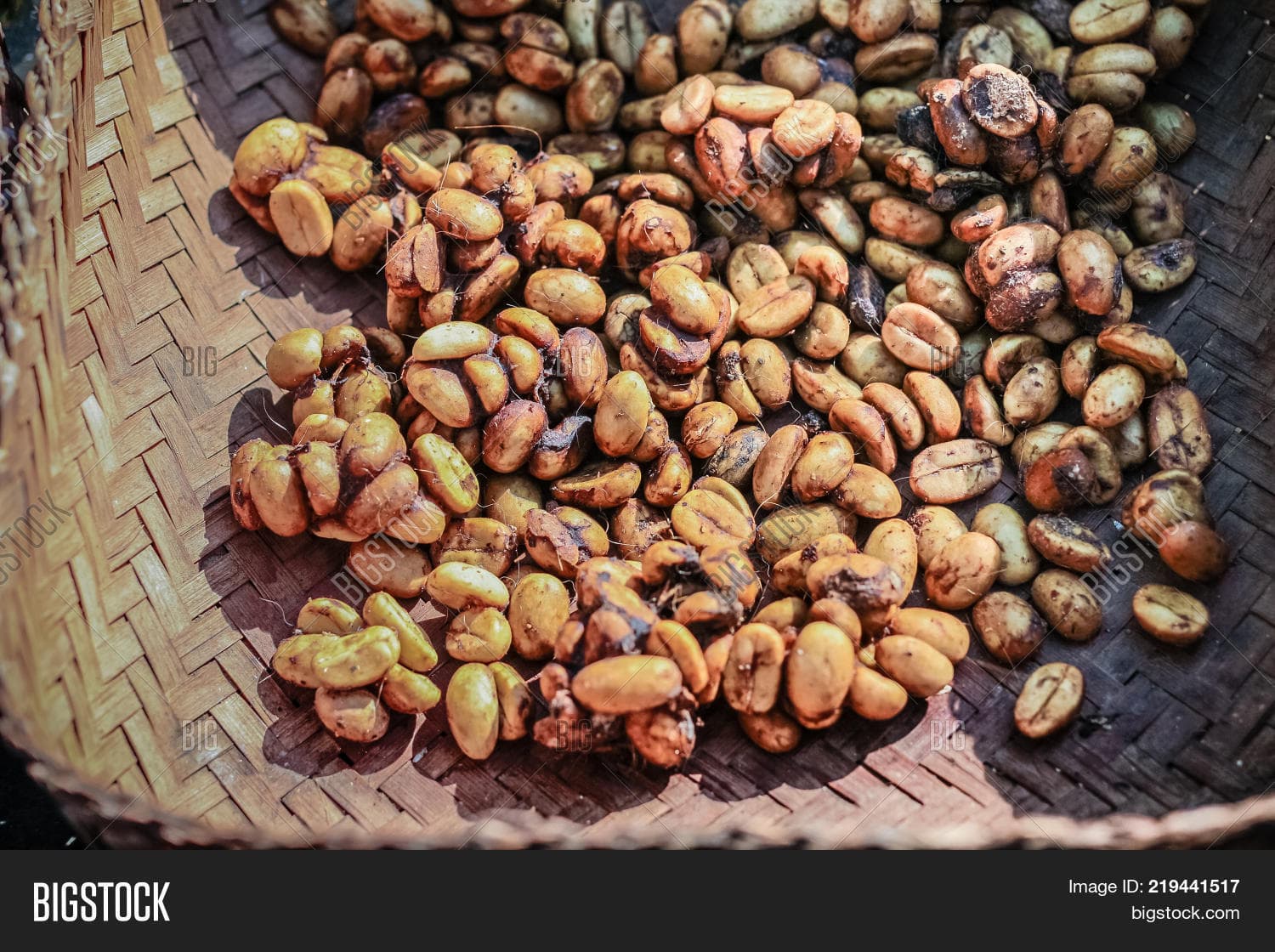
The recovery of beans post-animal digestion involves intricate logistical operations tailored to the specific production context. In wild-sourced scenarios, careful collection minimizes environmental disturbance, whereas captive setups require hygienic containment of excreta. Immediate separation and cleaning of beans are crucial to prevent microbial proliferation. Established practices include:
- Manual and mechanical rinsing to remove residual fecal matter and mucilage.
- Sun or mechanical drying under controlled humidity to achieve optimal moisture content (~10-12%).
- Screening and sorting based on size, density, and visual defect detection to ensure uniform roasting quality.
Roasting, Flavor Profiling, and Sensory Analysis
Roasting protocols for coffee beans that have undergone digestive fermentation require modification from conventional approaches. Due to altered chemical composition, these beans exhibit different heat absorption rates and Maillard reaction kinetics. Roasters employ tailored temperature gradients and time profiles to optimize flavor extraction while preventing overdevelopment of undesirable compounds. Sensory analysis conducted by trained panels evaluates attributes such as acidity, body, aroma, and aftertaste, providing objective metrics for product standardization. Instrumental techniques including gas chromatography-mass spectrometry (GC-MS) and high-performance liquid chromatography (HPLC) complement sensory data by profiling volatile compounds and antioxidant activity.
Expert Analysis & FAQ
What biochemical processes during animal digestion contribute to unique flavor profiles in coffee made from poop?
The primary biochemical processes include enzymatic breakdown of mucilage and cellular compounds by digestive enzymes such as proteases and pectinases, as well as fermentation by gut microbiota. These processes alter the polyphenolic and carbohydrate composition of the coffee bean, which upon roasting results in distinct flavor precursors responsible for reduced bitterness and enhanced fruity or floral notes.
How do producers mitigate health risks associated with microbial contamination?
Producers implement stringent sanitation protocols post-excretion including multiple washing stages, sun or mechanical drying under controlled conditions, and microbial testing using culturing and molecular diagnostics. Compliance with food safety regulations requires documentation of hygiene measures, pathogen absence, and mycotoxin levels. Additionally, sourcing practices that avoid contamination from environmental pathogens further reduce risks.
What are the major ethical concerns surrounding the production of coffee made from poop?
Ethical concerns focus on the welfare of animals used in production, particularly those kept in captivity and subjected to unnatural feeding regimens. Potential stress, confinement, and health issues raise animal rights questions. Transparency in sourcing and adherence to humane treatment standards are critical to addressing these concerns. Some industry players advocate for wild collection over captive animal farming to mitigate welfare issues.
How do regulatory inconsistencies affect the global trade of coffee made from poop?
Regulatory inconsistencies create challenges in establishing uniform safety and quality standards, causing import-export complications and market access limitations. Without harmonized requirements, producers may face rejection in certain markets or incur added costs to meet divergent criteria. This fragmentation slows industry growth and complicates consumer trust development.