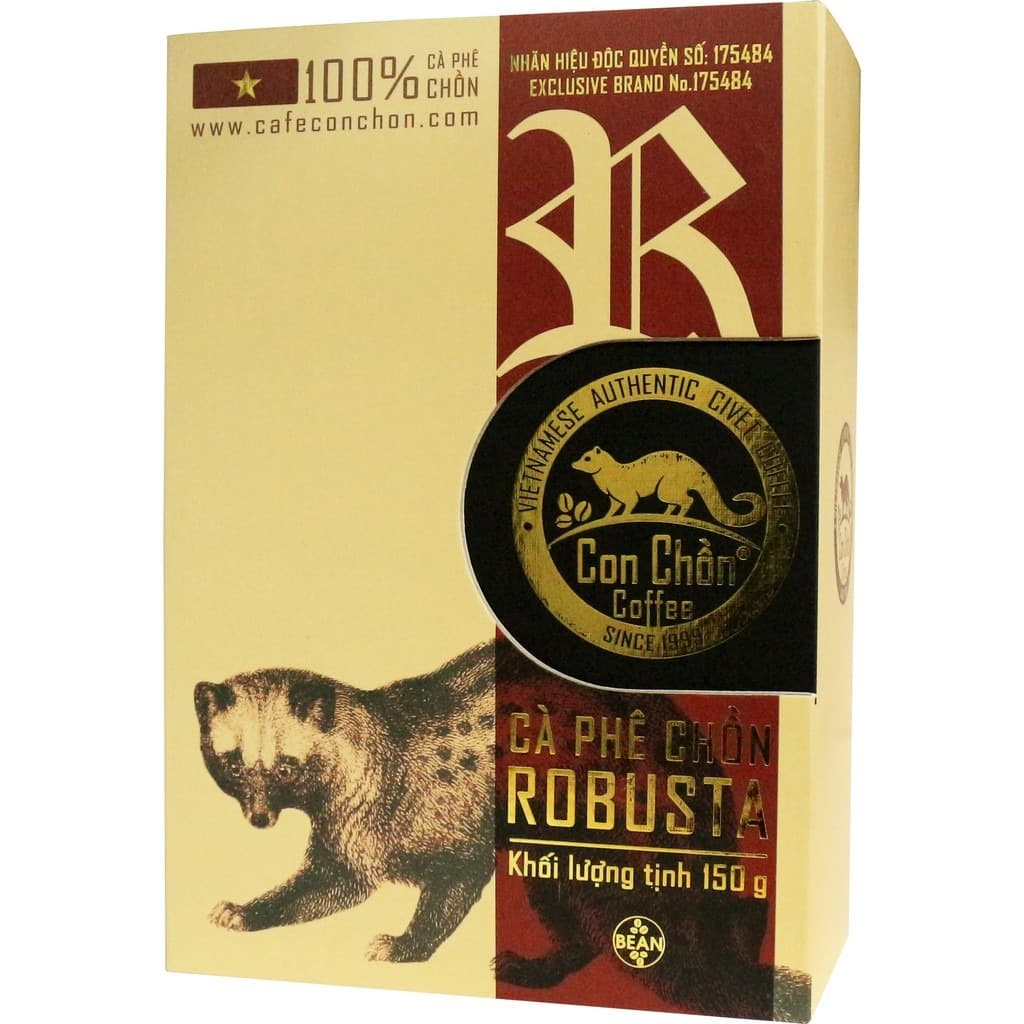
- Extraction of coffee beans from animal digestive systems modifies bean biochemistry, resulting in unique flavor profiles and reduced bitterness.
- The global market for coffee derived from animal-processed beans is expanding, driven by consumer interest in specialty and exotic beverages.
- Production constraints, including ethical and ecological considerations, significantly affect scalability and sustainability.
- Innovations in microbial fermentation mimic digestive processes, providing potential alternatives to animal involvement.
- Rigorous quality control and certification standards are essential to ensure product safety and consumer trust.
The phenomenon of coffee beans derived from animal excretion is an emergent segment in the specialty coffee industry that blends biological intricacies with commercial innovation. These coffee variants are produced by collecting coffee cherries that have been ingested and excreted by specific animals, primarily civets, but also elephants and other wildlife species. The digestive process alters the chemical composition of the beans, notably influencing acidity, astringency, and aromatic compounds. This manuscript presents a comprehensive analysis of the biochemical mechanisms underpinning this transformation, the implications for global coffee markets, sustainability challenges, and emerging technological alternatives replicating those biological effects without animal involvement.
Biochemical Transformation of Coffee Beans within Animal Digestive Systems
Physiological Processes Affecting Bean Chemistry
When coffee cherries enter the gastrointestinal tract of animals such as civets, fermentation and enzymatic activity initiate a cascade of biochemical modifications. Proteolytic enzymes partially degrade proteins within the coffee bean, reducing the concentration of certain bitter peptides. Concurrently, microbial populations in the gut facilitate fermentation that modifies polysaccharides, influencing the texture and resultant mouthfeel of brewed coffee. Acid hydrolysis alters chlorogenic acid levels, which are key determinants in perceived bitterness and acidity. The cumulative effect of these processes culminates in beans that possess a smoother taste profile with decreased harshness compared to conventionally processed coffee.
Chemical Composition and Sensory Implications
Analytical studies employing gas chromatography-mass spectrometry (GC-MS) and high-performance liquid chromatography (HPLC) have elucidated shifts in volatile and non-volatile compounds post digestion. Notable changes include elevated concentrations of certain aldehydes and ketones, contributing to unique aromatic notes described as earthy, caramelized, or fruity depending on the animal species involved and the coffee variety. Additionally, the Maillard reaction precursors are altered, influencing roast development and final flavor characteristics. Sensory panels consistently report enhanced sweetness and reduced bitterness, marking a distinct niche in gourmet coffee tasting experiences.
Market Dynamics and Economic Considerations
Global Industry Trends and Consumer Demand
The niche market for coffee sourced from animal-processed beans has expanded beyond traditional local consumption into a global specialty segment. Growing consumer curiosity about ethnocentric and pharmaceutical-grade coffee products drives demand, particularly in markets characterized by high-income demographics with interests in organic and artisanal commodities. The rarity and labor-intensive sourcing processes underpin elevated price points, positioning these products as premium experiential commodities. Market analytics indicate steady growth trajectories, supplemented by social media channels that enhance visibility and consumer education regarding the prodotto's origin and qualities.
Production Challenges and Ethical Considerations
Despite increasing demand, the production scale remains constrained by several factors. Ethical issues arise from concerns about animal welfare, including captivity, diet, and living conditions. The replication of natural feeding behaviors is critical to maintain bean quality but difficult under controlled environments. Additionally, environmental impacts such as habitat disruption pose sustainability risks. Producers face regulatory scrutiny to ensure humane treatment and ecological preservation. These challenges necessitate the development of certification frameworks and transparency models to balance profitability with ethical responsibility.
Technological Innovations and Alternative Approaches
Microbial Fermentation as a Biomimetic Process
Recent scientific advances explore the replication of digestive modifications through controlled fermentation using selective microbial consortia. Laboratory-scale trials have demonstrated the feasibility of inoculating coffee beans with enzymatic and microbial agents that simulate gut conditions, achieving comparable biochemical transformations. This biomimetic approach reduces reliance on live animals, addressing animal welfare concerns while enabling production scalability. Process parameters such as fermentation duration, temperature, pH, and microbial strain composition are meticulously optimized to reproduce desired sensory attributes.
Quality Control, Safety, and Certification
Given the unconventional processing route, rigorous quality control measures are imperative to ensure food safety and maintain consumer confidence. Procedures encompass microbiological screening for pathogens, chemical residue analysis, and sensory evaluation protocols standardized across production batches. Certification schemes incorporate traceability from animal source to final packaging, including welfare audits and sustainability assessments. International bodies and industry consortia are progressively formulating guidelines to standardize nomenclature, processing criteria, and ethical compliance, thereby facilitating broader market acceptance and regulatory adherence.
Expert Analysis & FAQ
What specific enzymatic processes within animal digestion most significantly alter coffee bean chemistry?
Proteases within the digestive tract hydrolyze proteinaceous components, reducing bitter peptides that contribute to astringency in coffee. Concurrently, microbial fermentation involving lactic acid bacteria modifies polysaccharides and organic acids, altering acidity and mouthfeel. These enzymatic and fermentative mechanisms work synergistically, resulting in a bean chemistry profile distinct from conventional processing.
How do animal welfare considerations impact the scalability of this coffee production method?
Animal welfare is a critical limiting factor, as ethical standards require that animals maintain natural foraging behaviors and live in environments that ensure health and stress minimization. Captive conditions, often necessitated by demand, may compromise welfare, leading to regulatory restrictions and consumer backlash. Consequently, scalability depends on implementing and certifying humane husbandry practices, which can increase operational costs and complexity, limiting industrial expansion.
Are there effective synthetic or microbial alternatives that replicate the digestive effect without animal involvement?
Yes, biomimetic fermentation using selected microbial consortia has demonstrated efficacy in replicating biochemical transformations imparted by animal digestion. By optimizing enzyme production and fermentation parameters, producers can induce flavor and texture modifications akin to those observed in animal-processed beans. This avenue holds promise for ethical and scalable production without dependence on live animals.
What regulatory frameworks govern the production and sale of coffee beans sourced from animal excretion?
Regulatory oversight varies by jurisdiction but generally involves food safety agencies ensuring the absence of pathogens and contaminants. Some countries require certification of animal welfare standards and environmental impact assessments. International standards for processing, labeling, and marketing are evolving, with a focus on transparency, traceability, and consumer protection. Compliance with these regulations is essential for market access and consumer trust.


-01K3MNQFWTSA5G4M5PFD03K4EV.png&w=1920&q=75)
-01K3MRPG09NNHHJB7EQ406RG5P.png&w=1920&q=75)