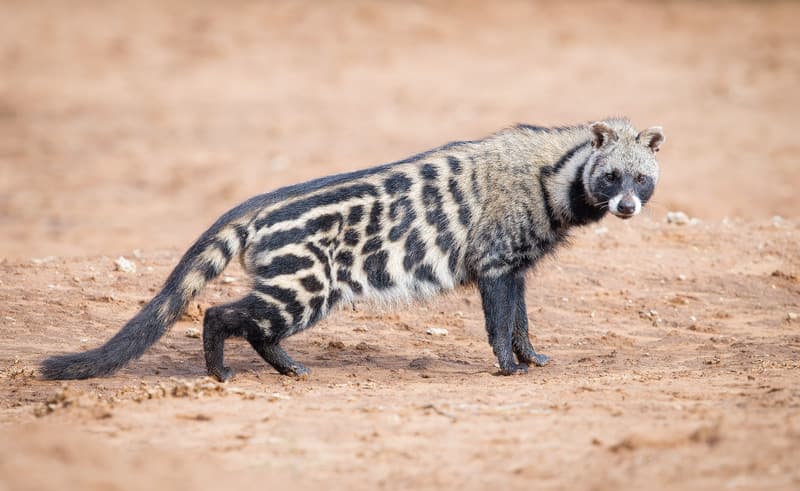
- Biological and Taxonomical Identity: Civets belong to the family Viverridae, characterized by nocturnal habits and distinct morphological features, bridging carnivorous and omnivorous traits in small to medium-sized mammals.
- Ecological and Economic Importance: Civets play crucial roles in forest ecology as seed dispersers and insect controllers, while their secretions have significant commercial value in perfume and gourmet industries.
- Implications of Civet-Derived Products: The extraction and utilization of civet musk raise ethical, sustainability, and regulatory considerations globally.
- Scientific Advances and Industry Trends: Innovations in synthetic civet musk alternatives and wildlife conservation efforts influence market dynamics and species preservation.
- Research Gaps and Conservation Challenges: Despite increasing industrial interest, limited data on civet population dynamics and habitat impact necessitate focused scientific inquiry.
Civets, elusive mammals mostly inhabiting tropical and subtropical regions of Africa and Asia, have attracted growing interdisciplinary attention over recent decades. Predominantly nocturnal and omnivorous, their biological classification within the Viverridae family places them in a unique ecological niche. This editorial aims to elucidate the multifaceted identity of civets, exploring their taxonomy, biological characteristics, ecological significance, and evolving role within global industry frameworks, particularly focusing on why interest in these animals is ascending in scientific, environmental, and commercial contexts.
Defining Civets: Taxonomy and Biological Characteristics
Classification within Mammalian Orders
Civets are small to medium-sized mammals categorized under the family Viverridae, which also includes genets, linsangs, and related species. They fall under the order Carnivora but exhibit omnivorous feeding behaviors that bridge carnivory and herbivory. Their taxonomic classification can be summarized as following:
- Kingdom: Animalia
- Phylum: Chordata
- Class: Mammalia
- Order: Carnivora
- Family: Viverridae
- Genus: Various, including Civettictis (African civet), Viverra, and Paradoxurus (palm civet)
Members of this family are characterized by elongated bodies, short legs, well-developed perineal scent glands, and nocturnal adaptations such as enhanced night vision and acute olfaction.
Morphological and Behavioral Traits
Civets vary in size, from approximately 40 to 70 centimeters in body length. Their pelage patterns and colors range widely, often featuring spots, stripes, or marbling. Behaviorally, civets are predominantly solitary and nocturnal, showing crepuscular activity peaks. Their diet encompasses small vertebrates, insects, fruits, and other plant matter, highlighting their ecological versatility. The presence of perineal glands secreting musky substances is a defining feature leveraged for communication, territorial marking, and reproductive signaling.
Ecological Roles and Natural Habitat
Habitat Distribution and Adaptations
Geographically, civets are primarily distributed across tropical Asia, Sub-Saharan Africa, and parts of Madagascar. They occupy diverse habitats from dense rainforests to open woodlands, often avoiding human-dense areas but showing adaptability to fragmented landscapes. Physiological and behavioral adaptations such as arboreal skills in some species and terrestrial foraging in others allow them to exploit varied ecological niches and food resources efficiently.
Functional Importance in Ecosystems
Civets contribute significantly to forest ecosystem functionality. Key ecological roles include:
- Seed Dispersal: By consuming fruits and subsequently excreting seeds, civets facilitate regeneration and forest diversity maintenance.
- Insect Population Control: Feeding on insects helps regulate pest populations, indirectly supporting agricultural and natural plant communities.
- Prey and Predator Dynamics: Serving as prey for larger carnivores, civets occupy a critical middle trophic level in food webs.
Understanding their ecological contributions reinforces the importance of their conservation and the potential consequences arising from population declines.
Commercial Interest: Civet Products and Industry Dynamics
Civet Musk and Perfumery
The perineal glands of civets produce a secretion known as civet musk, historically treasured as a fragrance fixative in the perfume industry. The scent is complex, musky, and long-lasting, with distinctive chemical constituents such as civetone (a macrocyclic ketone) contributing to its aromatic profile. While traditional musk extraction involved capturing wild civets, contemporary ethical concerns have led to increased demand for humane collection methods and synthetic analogs, influencing market structures and regulatory frameworks globally.
Gastronomic and Cultural Applications
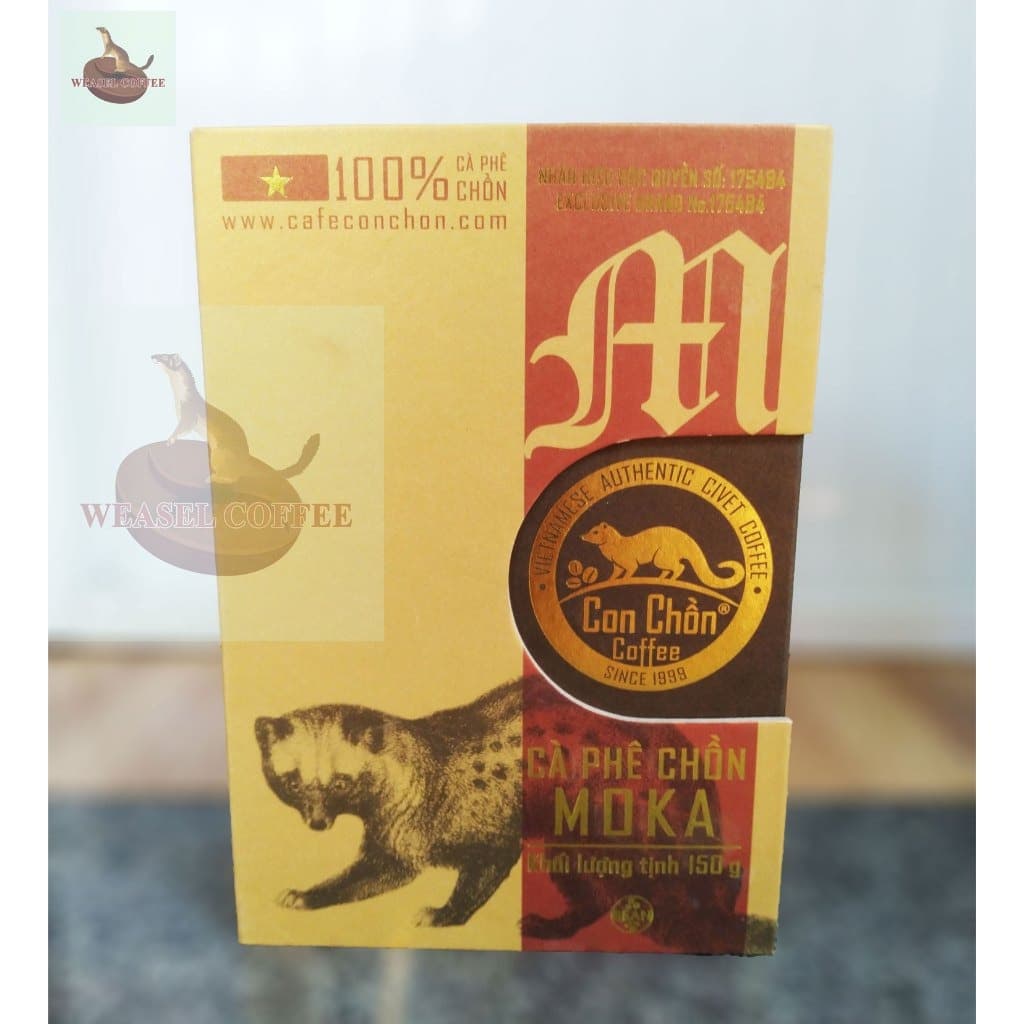
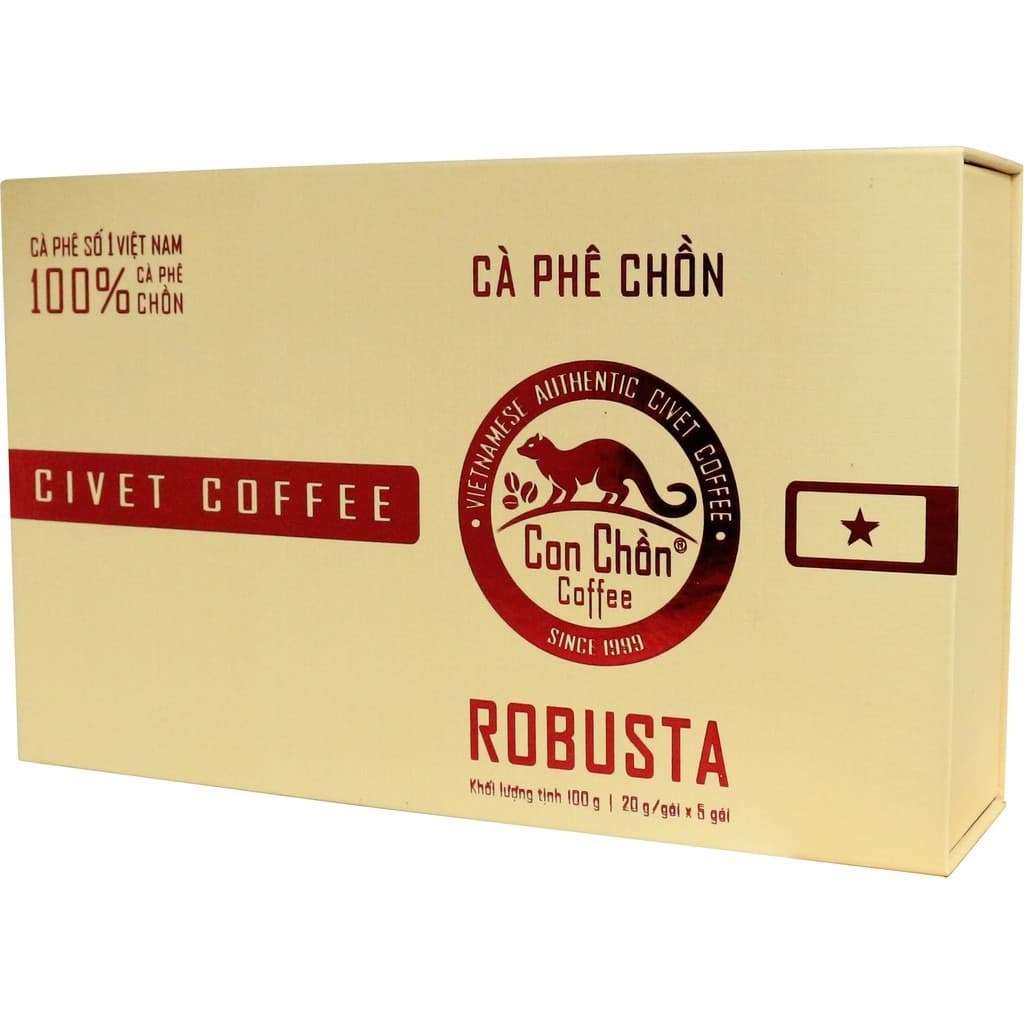
Beyond perfumery, certain civet species, particularly the Asian palm civet, are indirectly associated with the luxury coffee industry through their role in producing kopi luwak. This coffee purportedly derives flavor complexity from civet-mediated fermentation during digestion. However, this practice has been mired by ethical and ecological controversies, including animal welfare concerns and environmental impacts tied to civet captivity and habitat disruption.
Conservation, Ethics, and Scientific Developments
Conservation Status and Threats
The conservation statuses of civet species vary, with some categorized as least concern and others as vulnerable or near threatened by the International Union for Conservation of Nature (IUCN). Significant threats include habitat loss due to deforestation, hunting and trapping for musk and meat, and capture for the coffee industry. Fragmented habitats reduce genetic diversity and population resilience, necessitating targeted conservation strategies.
Technological Innovations and Sustainable Practices
Scientific advancements contribute to reducing reliance on wild civet populations through:
- Synthetic Musk Chemistry: Development of high-fidelity synthetic civetone alternatives diminishes demand for natural musk.
- Non-invasive Sampling and Monitoring: Genetic and ecological monitoring technologies help understand population dynamics without disrupting animals.
- Community-Based Conservation: Initiatives involving local populations promote habitat preservation and sustainable use of civet resources.
Such efforts reflect broader trends towards reconciling economic interests with biodiversity preservation and ethical standards.
Expert Analysis & FAQ
Q1: What distinguishes civets from similar small carnivores in their ecological niches?
While morphologically overlapping with animals such as mongooses and weasels, civets are distinguished by their perineal scent glands producing musk substances, arboreal and nocturnal adaptations, and omnivorous dietary preferences. Their ecological niche often integrates seed dispersal alongside insect predation, providing a dual functional contribution uncommon in strictly carnivorous counterparts.
Q2: How does civet musk chemically differ from traditional animal musks and synthetic varieties?
Civet musk primarily contains civetone, a macrocyclic ketone with distinct odor characteristics, which contrasts with muscone found in musk deer musk. Synthetic civetone analogs aim to replicate these olfactory profiles but with controlled purity and scalability. Advances in organic chemistry have allowed the synthesis of civetone from precursors such as cyclododecanone, facilitating ethical alternatives without compromising perfumery standards.
Q3: What are the main conservation challenges faced by civet populations globally?
Primary challenges encompass habitat destruction from agricultural expansion and urbanization, overharvesting for musk and gourmet uses, and insufficient ecological data impeding effective policy-making. Moreover, the capture and confinement of civets for commercial exploitation raise serious animal welfare and biosecurity concerns, complicating conservation measures and necessitating international collaboration.
Q4: Can sustainable civet products be developed without compromising wild populations?
Sustainable production depends on humane collection practices for musk, utilization of captive-bred specimens under welfare standards, and promoting synthetic musk substitutes to reduce wild harvesting pressures. Additionally, integrated conservation programs that combine habitat protection with local economic incentives can simultaneously preserve civet populations and enable responsible industry involvement.
-01KEE3GHXK9VD75BM513FCHP6Q.jpeg&w=1920&q=75)
-01K3MY2MS8AC3TYHB0JB7NGP6G.png&w=1920&q=75)
-01K3MNQFWTSA5G4M5PFD03K4EV.png&w=1920&q=75)
-01K3MRPG09NNHHJB7EQ406RG5P.png&w=1920&q=75)
-01K3MTAQRF5REW2NWWCM95MQYD.png&w=1920&q=75)
-01K3MSD41Y80JCHQ9FFYFMND1M.png&w=1920&q=75)